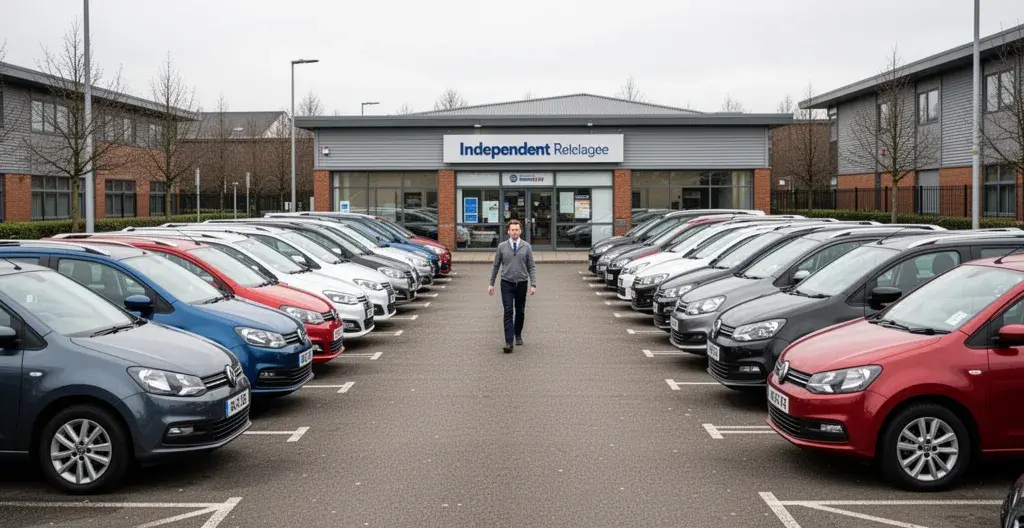
If that scenario sounds familiar, you’re not alone. The UK vehicle rental sector operates around 450,000 cars and vans across 1,500 branches, employing over 30,000 people according to Fleet News industry data. Yet a surprising number of independent operators still rely on manual systems that worked fine at 10 vehicles but become a nightmare at 30.
Fleet software essentials in 60 seconds:
- Manual fleet management typically leaks 15-20% revenue through utilisation gaps
- Four core capabilities matter most: booking, tracking, inspections, maintenance
- Sweet spot for investment: 20-100 vehicle fleets with growth trajectory
- Realistic implementation: 4-8 weeks including staff training
The Hidden Costs of Managing Your Fleet Manually
Here’s what I’ve noticed working with rental operators over the years: nobody sits down and calculates how much their spreadsheet system actually costs them. They know it’s painful. They know Sunday evenings are ruined. But the actual financial impact? It stays invisible until you dig.

The problems tend to cluster around three areas. First, there’s the time sink. I’ve seen operators spending 10-15 hours weekly on tasks that software handles in minutes—availability checks, booking confirmations, chasing deposits. That’s a part-time salary going into administration rather than growing the business.
18-25%
typical maintenance cost reduction with predictive software insights
Second comes revenue leakage. Without real-time visibility, vehicles sit idle while enquiries go unanswered. In my experience with independent operators, the utilisation gap between manual and software-managed fleets runs around 15-20%. On a 30-vehicle fleet averaging £80 daily revenue, that’s potentially £350-500 per week walking out the door.
Third—and this one’s often overlooked—there’s the contract management headache. When understanding key aspects of rental contracts becomes a scramble through filing cabinets, disputes escalate and customer trust erodes. According to IntelliShift’s ROI analysis, fleets using predictive maintenance insights commonly reduce maintenance costs by 18-25%.
Four Capabilities That Transform Rental Operations
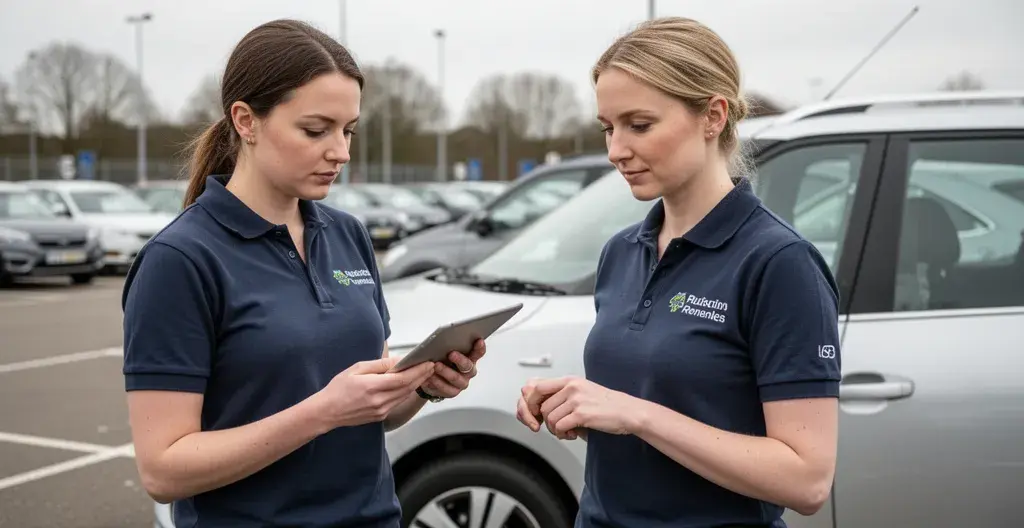
My take on fleet software? Most vendors throw fifty features at you. You’ll use maybe eight regularly. Rather than drowning in options, focus on the four that actually move the needle for independent operators. Platforms like Hitech Software have built their approach around these core operational needs.
Let me show you exactly what changes day-to-day:
| Task | Manual approach | With fleet software | Time saved |
|---|---|---|---|
| Checking vehicle availability | Phone calls, spreadsheet cross-checking | Real-time dashboard, instant answer | 8-10 min per enquiry |
| Vehicle handover inspection | Paper forms, separate photos | Tablet-based with timestamped photos | 5 min per handover |
| Maintenance scheduling | Calendar reminders, manual tracking | Automated alerts based on mileage/date | 2-3 hours weekly |
| Invoice generation | Manual calculation, separate document | Automatic from booking data | 15 min per contract |
| Fleet location tracking | “Where’s that car?” phone calls | GPS map view, instant location | Variable (crisis prevention) |
The booking and availability management piece alone justifies the investment for most operators. No more “let me check and call you back” moments that lose customers to competitors.
How Marcus cut admin time by 70%
I worked with Marcus, operations manager at a 25-vehicle rental operation in Birmingham, during their transition last year. His team was spending roughly three hours daily on manual booking reconciliation—and still making errors that created customer complaints.
The friction point? His two longest-serving staff members were comfortable with spreadsheets and initially resistant. We compromised: phased rollout with parallel running for six weeks, keeping the old system as backup. Within three months, even the sceptics admitted they couldn’t go back. The admin time dropped from three hours to under one. Marcus actually got his Sundays back.
Digital vehicle inspections deserve special mention. Photo-documented check-ins and check-outs create a clear record that resolves disputes before they escalate. I’ve seen damage arguments that used to drag on for weeks get settled in an afternoon once both parties could see timestamped evidence.
Is Your Business Ready? A Practical Assessment
Honestly? Not every rental operation needs fleet management software right now. That’s an unpopular opinion in an article about fleet software, but it’s the truth. Timing matters as much as the technology itself.
Is fleet software right for your business now?
- Fleet under 15 vehicles, stable size:
Consider waiting or using basic scheduling tools. The overhead may not justify the investment yet. Focus on growth first.
- Fleet 15-30 vehicles with growth trajectory:
Good timing to evaluate options. You’ll grow into the system rather than playing catch-up. Start trials now.
- Fleet 30+ vehicles still on manual systems:
Strong candidate for immediate action. The revenue leakage is likely already costing more than the software subscription.
- Any size with acute pain point:
If double-bookings or customer disputes are damaging your reputation now, prioritise based on the pain regardless of fleet size.
The implementation timeline surprises most operators—it’s faster than expected when you plan properly.
-
Data migration and system configuration -
Staff training and parallel running -
Gradual transition with legacy backup -
Full operation with ongoing optimisation

My implementation advice: According to Growth Shuttle’s 2025 research on SME technology adoption, 33% of employees received less than an hour of training during software rollouts. That’s a recipe for failure. Budget at least a full day per staff member, spread across the first two weeks. The investment in training pays back tenfold in adoption rates.
Questions Rental Operators Ask Before Choosing Software
I’ve had these conversations dozens of times. The same concerns come up repeatedly—and they’re legitimate. Let me address them directly.
Your fleet software questions answered
How long does implementation actually take?
For fleets under 50 vehicles, most implementations I’ve seen complete within four to eight weeks. The variable isn’t the software—it’s your data quality and staff availability for training. Avoid launching during your busiest season.
Will my staff actually use the new system?
They will if you involve them early. The resistance I see comes from surprise implementations. Bring your key team members into the selection process. When they feel ownership, adoption follows.
What if we’re too small for enterprise software?
Good news: you don’t need enterprise software. Modern SaaS platforms scale down to 20-vehicle operations. Look for vendors who specifically serve independent operators rather than corporate fleets—the feature set and pricing will be more appropriate.
Can the software integrate with our accounting system?
Most modern platforms offer integrations with Xero, QuickBooks, and Sage. Ask specifically during demos—and get them to show the integration working, not just promise it exists.
What happens if the internet goes down?
Legitimate concern. Quality fleet management platforms offer offline modes for mobile devices, syncing when connectivity returns. Ask about this specifically—it’s a dealbreaker for branches with patchy internet.
The BVRLA rental credentials report gathered data from organisations representing 69% of the UK car rental fleet—and the direction of travel is clear. Digital transformation isn’t optional for operators who want to remain competitive.
If you’re also helping customers understand pricing structures, the guide to renting at best price offers useful context on what renters actually look for.
Your next step
Before your first software demo
-
Calculate your current weekly admin hours on booking and reconciliation
-
List your three biggest operational frustrations to discuss with vendors
-
Identify which staff members need to be involved in demos
-
Block out a realistic implementation window avoiding peak season
The question isn’t whether fleet management technology will become standard in vehicle rental—it already is for competitive operators. The question is whether you’ll be ahead of the curve or scrambling to catch up. Start with one demo. Ask hard questions. And maybe—just maybe—get your Sunday evenings back.